My analogue story | part 2
January 1st, 2026
The time has come: the year marking the 200th anniversary of photography begins. And with it, officially, my analogue project.
Over the past months, I have prepared for this intensively and was able to assemble an impressive selection of wonderful analogue cameras. Many of them were newly acquired. Along the way, there were memorable encounters with collectors who had been deeply attached to their beloved apparatuses and are now dissolving their collections, as well as meaningful meetings with people passing on equipment that once belonged to their parents or grandparents, often accompanied by stories, memories, and the knowledge that these cameras have seen a lot. By the end of the year, I brought this phase to a close.
Some cameras were also given to me or entrusted to me on loan for the project: For this, my heartfelt thanks to everyone for the generous support!!!
The portfolio is now largely complete. I will only expand it selectively, with accessories, especially vintage lenses (a few wide-angle focal lengths are still missing, for example), or if additional cameras are entrusted to me.
The workflow for film development is also firmly established: the development equipment has been tested, and the finished films I will scan using a Reflecta RPS 10M, which digitizes complete, uncut rolls in a single pass. I do not plan any further image processing.
In the coming posts, I will introduce the individual cameras one by one. Later in the year, galleries of the resulting photographs will follow.
So stay with me. Some things take time.
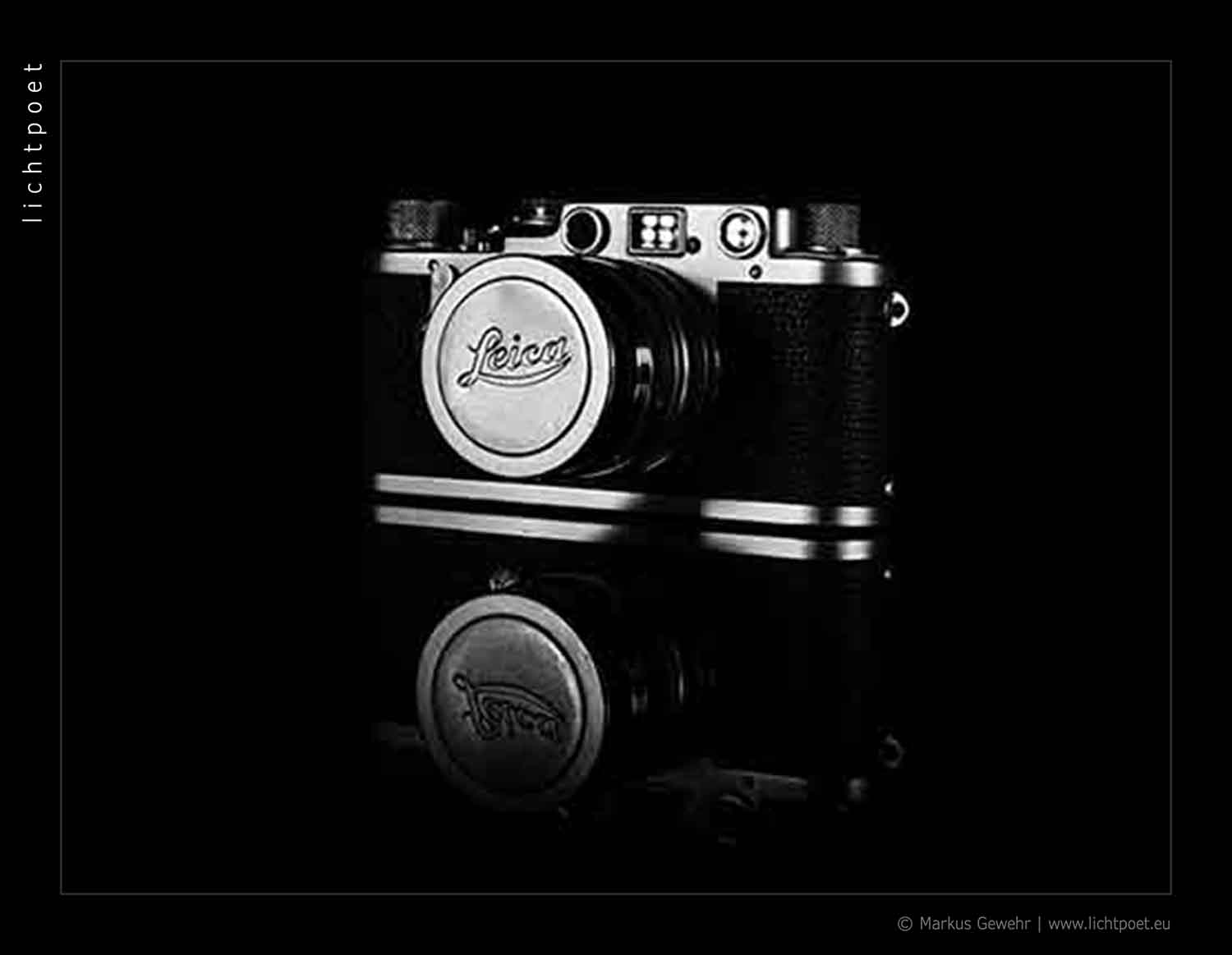
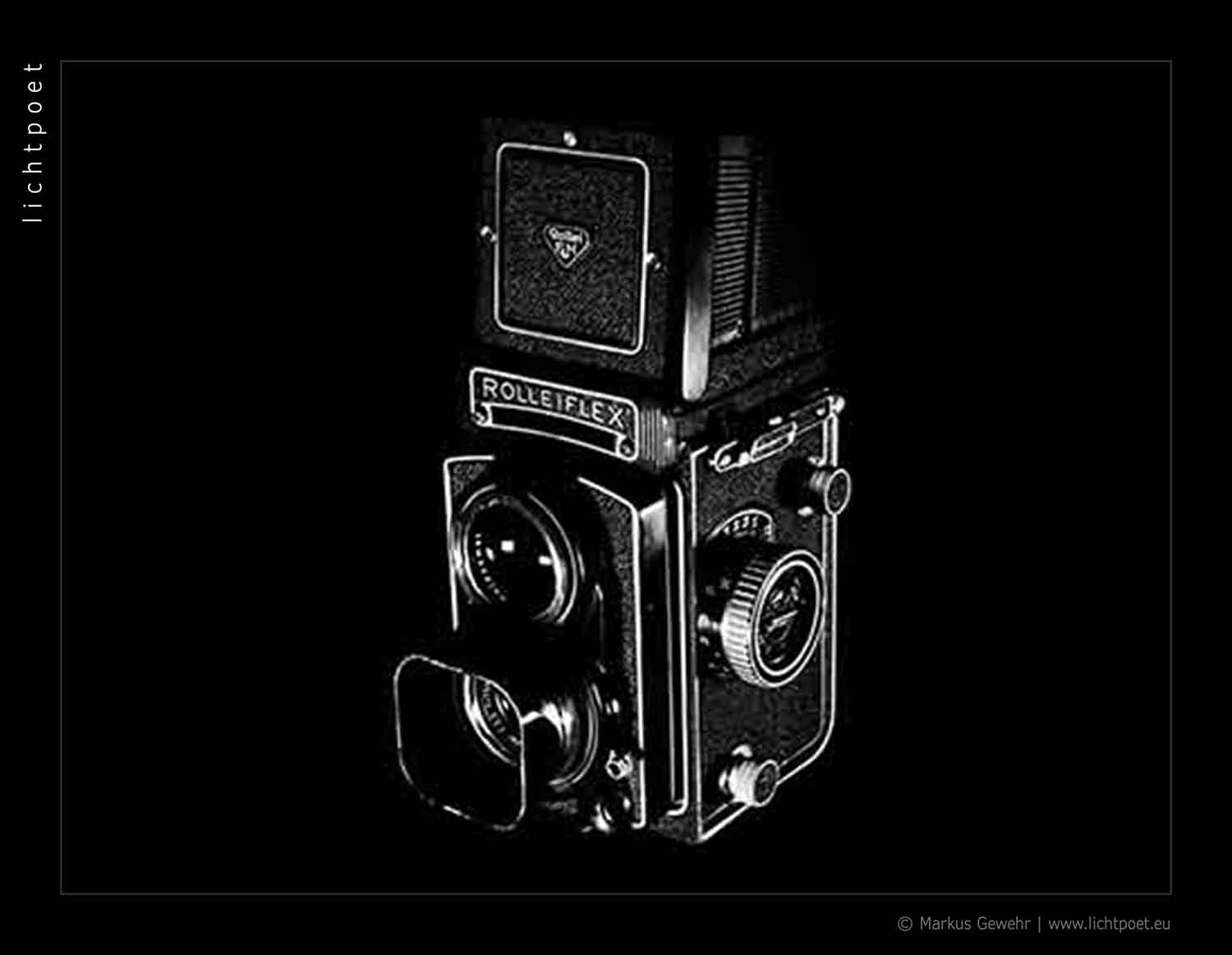
January 11th, 2026
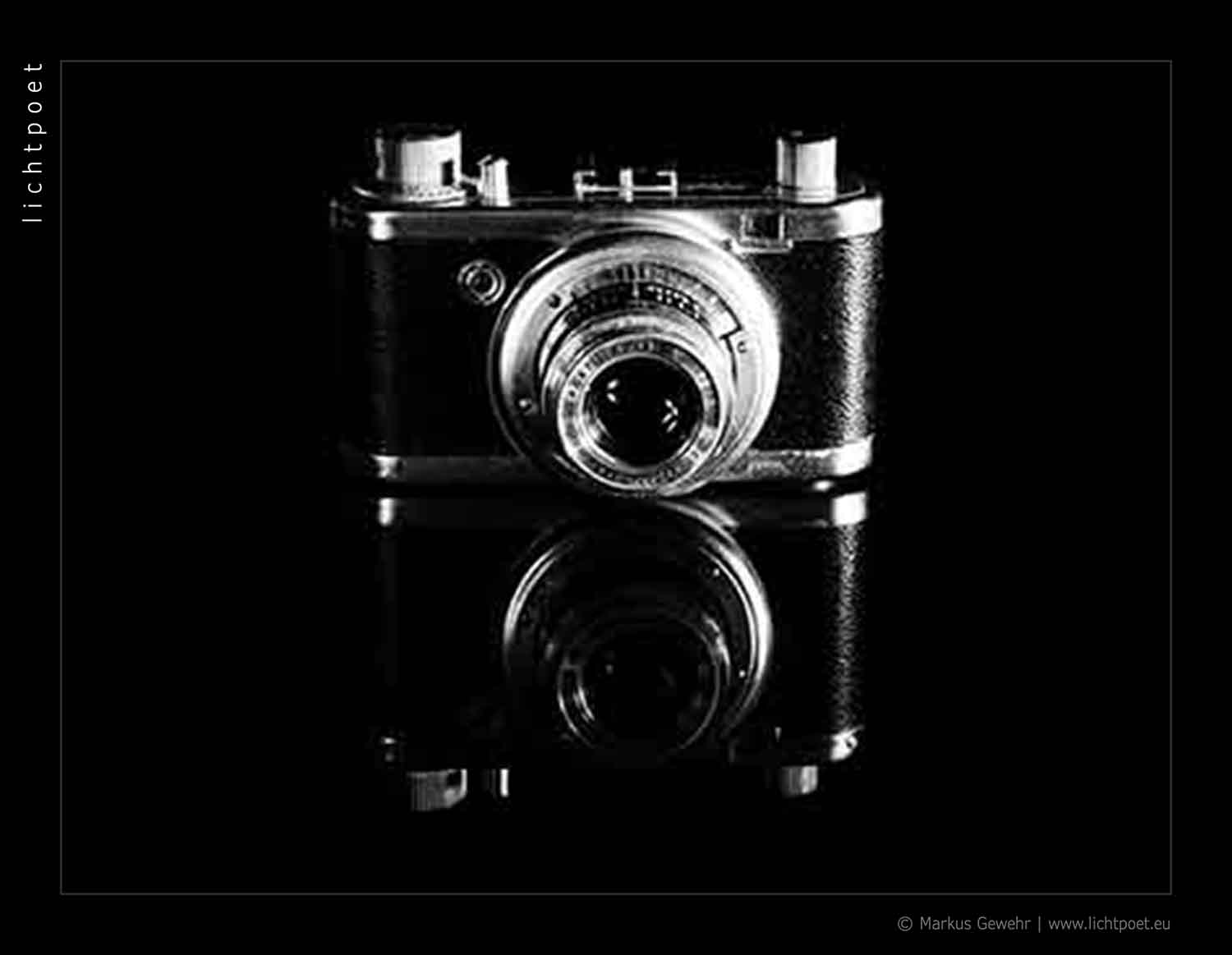
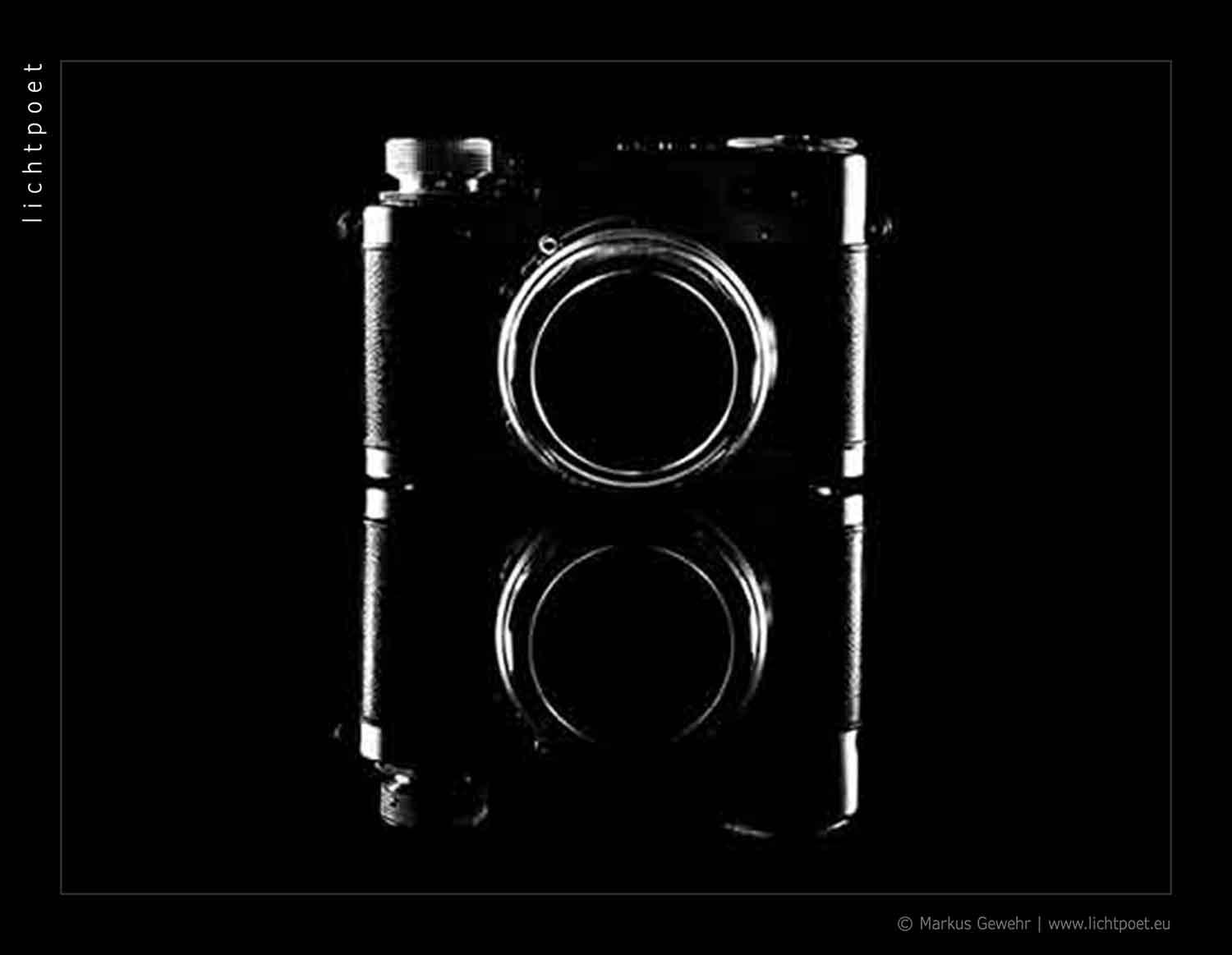
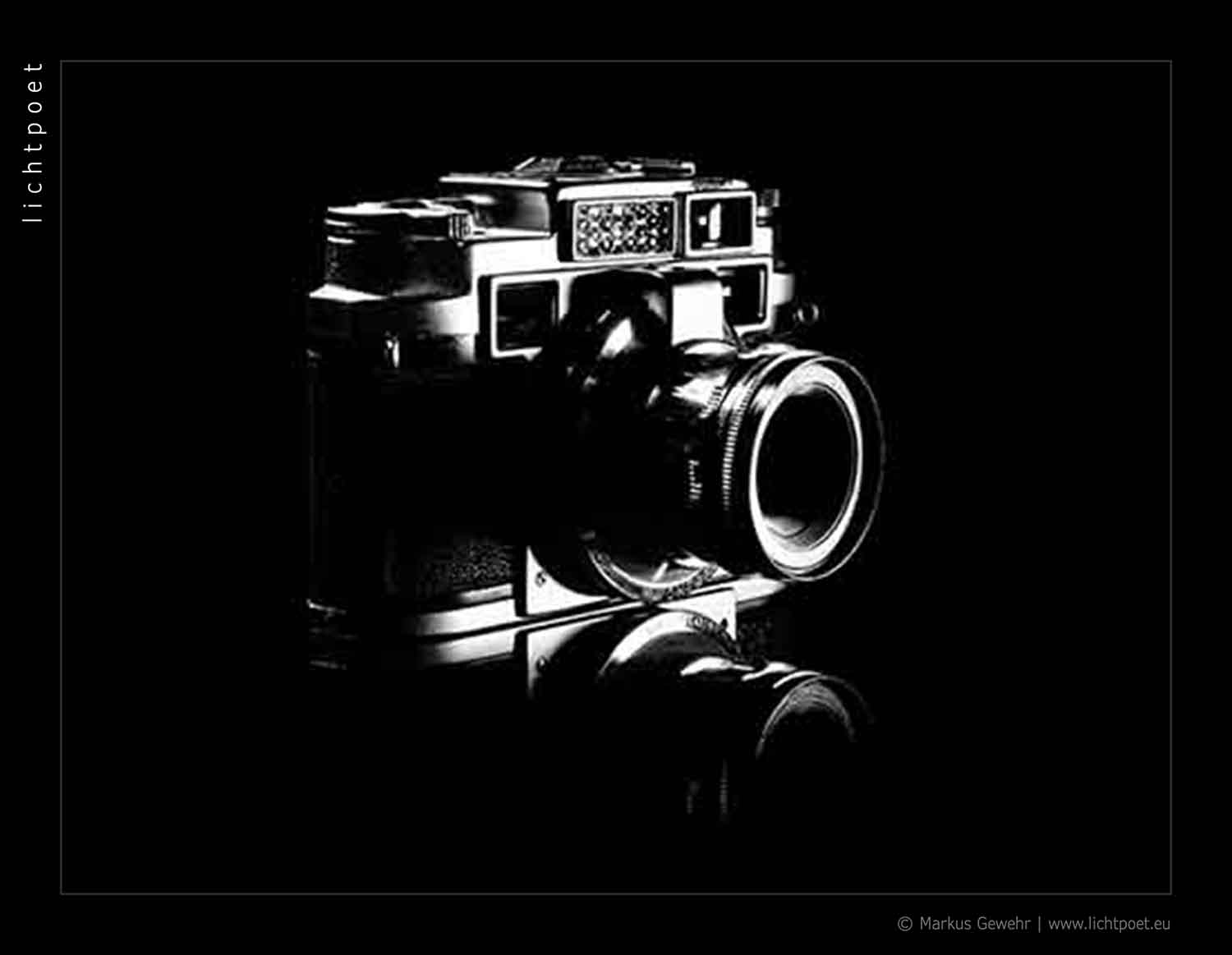
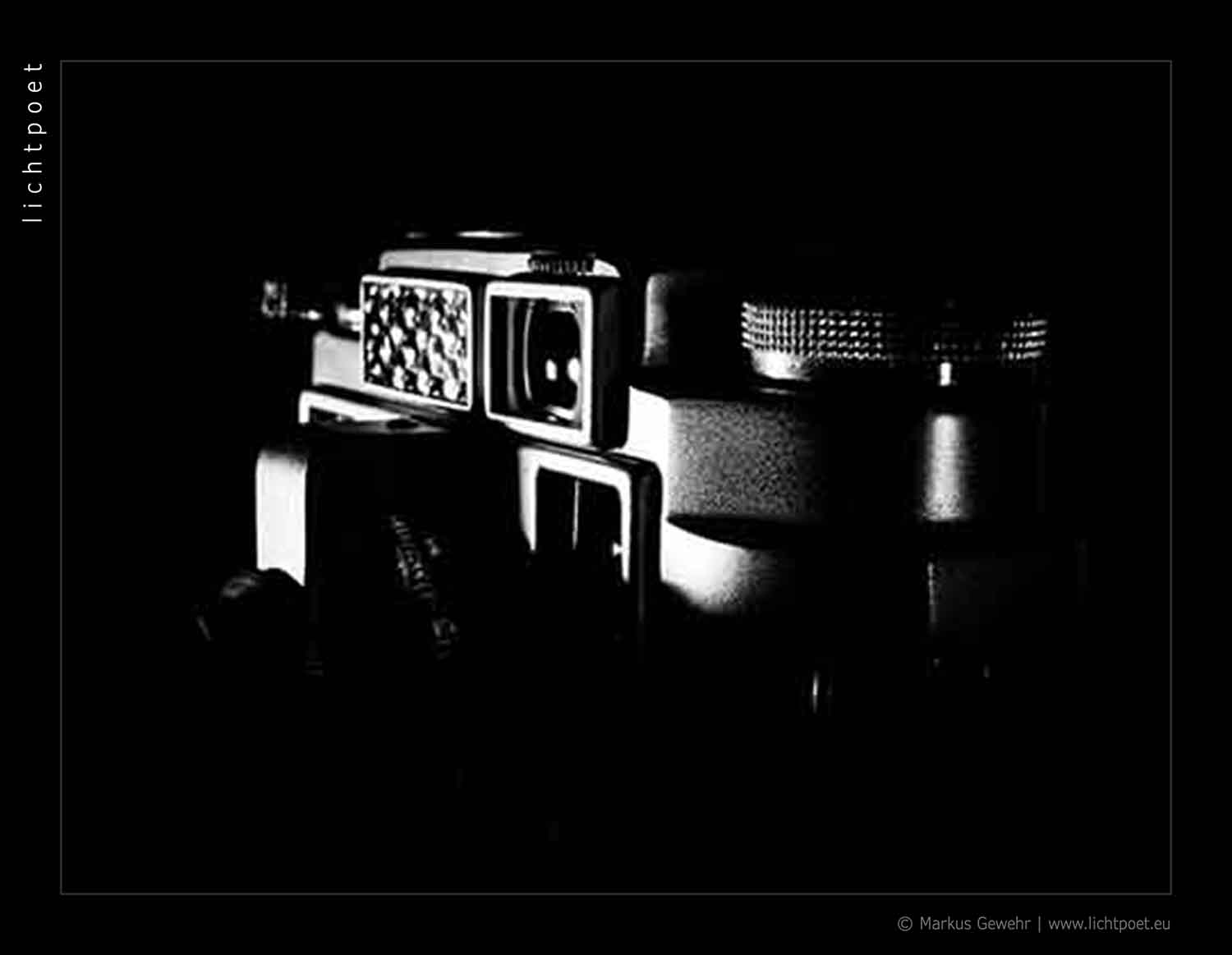
The year 2026 begins with the introduction of new cameras in my analogue project (in 2025 I had already written about the first models). The first camera of the year comes from a rather little-known manufacturer, but from a very well-known city in German camera history: the Lordomat C35 rangefinder by Leidolf from Wetzlar. These somewhat forgotten brands are exactly what makes this project so interesting to me.
The company Leidolf was founded in 1921 by Rudolf Leidolf and initially produced other precision instruments before adding high-quality cameras such as the Lordomat series in the late 1940s. Although Leidolf also manufactured its cameras in Wetzlar, there was no connection to Leica or to the Leitz company. Unfortunately, camera production was discontinued again in the early 1960s. As a result, Leidolf is now one of the many smaller manufacturers that only played a brief role in camera history.
By now I own several Leidolf cameras from different series. The Lordomat series is a system with interchangeable lenses and its own proprietary bayonet mount. My C35 is equipped with a Lordonar 50 mm f/2.8. The camera features a coupled rangefinder and a light meter, which unfortunately no longer works on my example. An interesting detail: one viewfinder window is used for the 50 mm lens and the rangefinder, while a second window is for 35 mm and includes bright frames for telephoto focal lengths.
The four windows on the front give the camera a rather tall appearance, and because the body itself is quite flat, its proportions look noticeably different from most of the other cameras in my project. Despite this unusual design, it’s a very attractive camera. It feels good in the hand and gives a strong impression of quality. The only real criticisms are the small rewind knob (a bit uncomfortable to use) and the shutter release on the front of the lens, which doesn’t quite deliver the satisfying release feel that some cameras have.
February, 8th, 2026
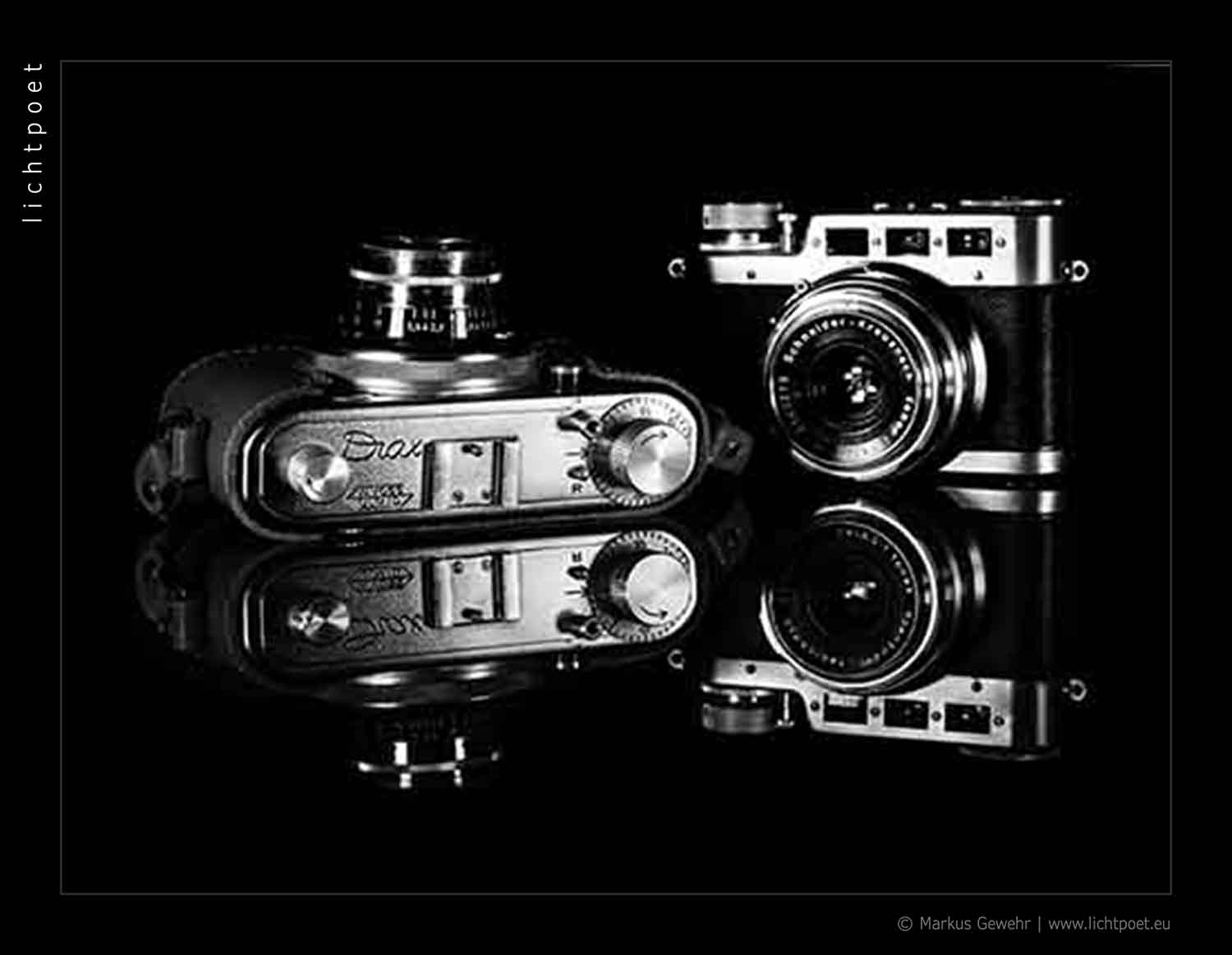
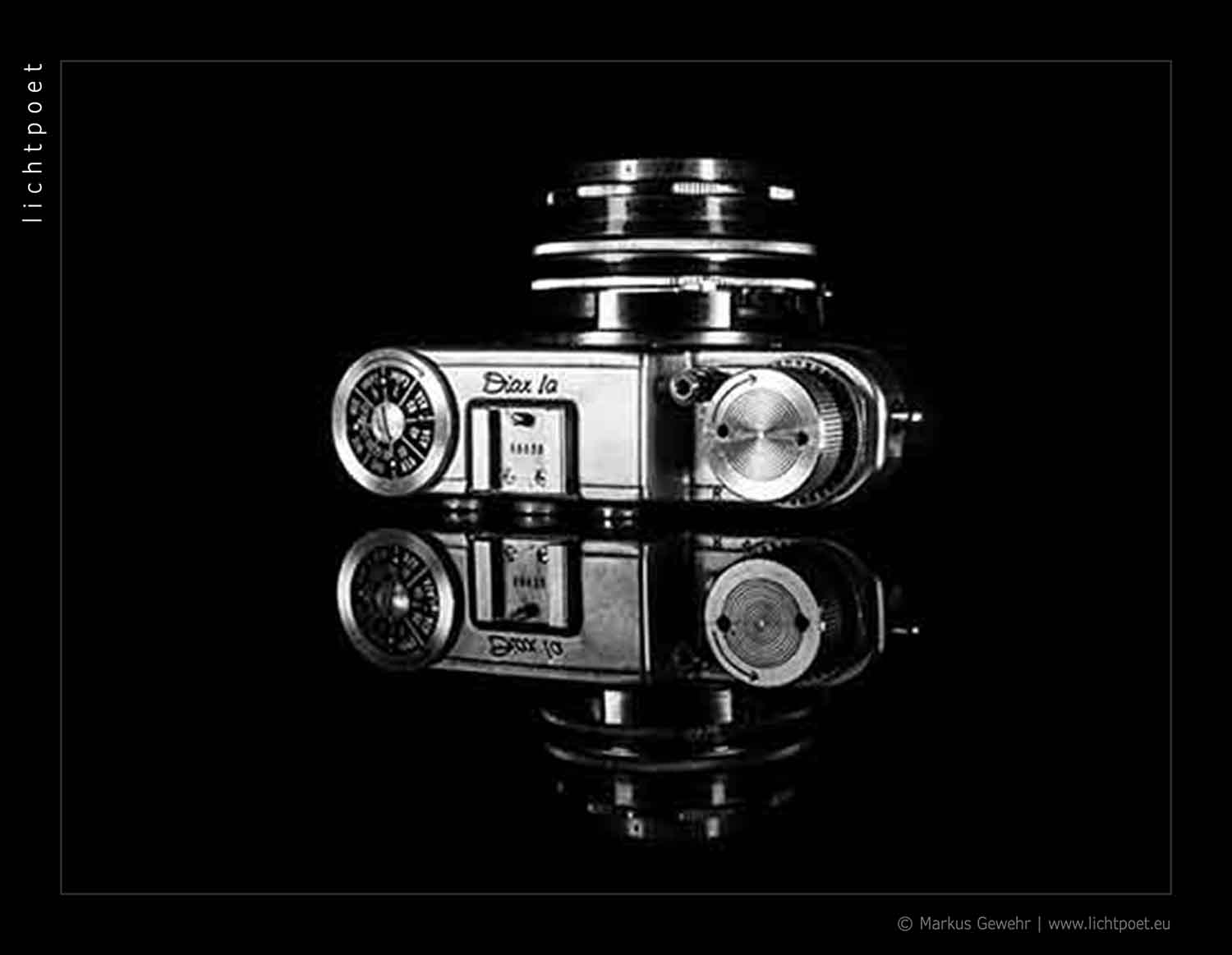
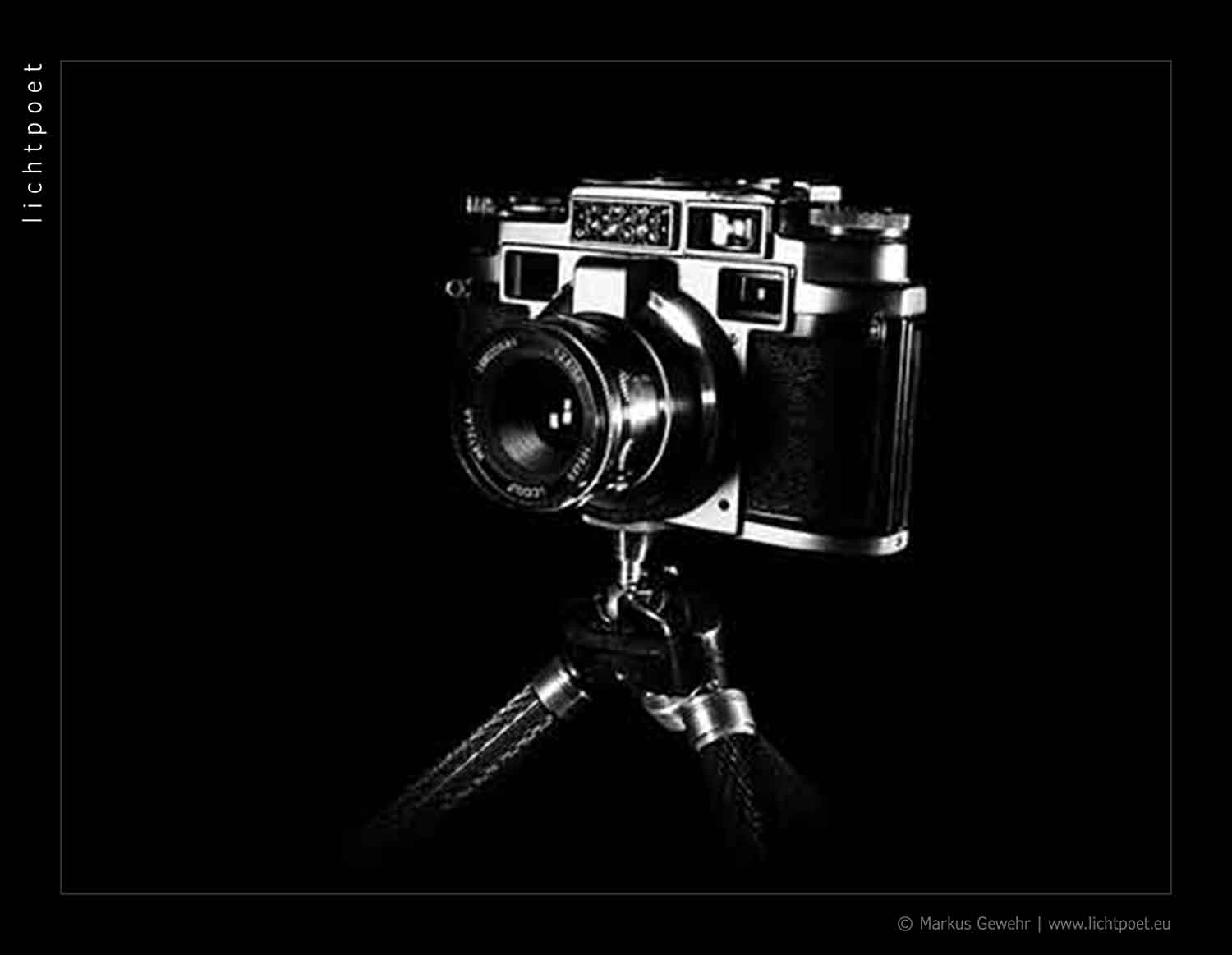
Today I’m continuing with two more fascinating cameras from a small manufacturer: the Diax I and Diax Ia by Walter Voss from Ulm. And once again, two cameras with a very special, distinctive charm…
Walter Voss started out in 1947 making rangefinders before introducing the first Diax models. His company never grew very large, and production had already ended by the late 1950s. Today, Walter Voss is one of many smaller German post-war camera makers whose production runs were short but whose cameras are all the more impressive for it.
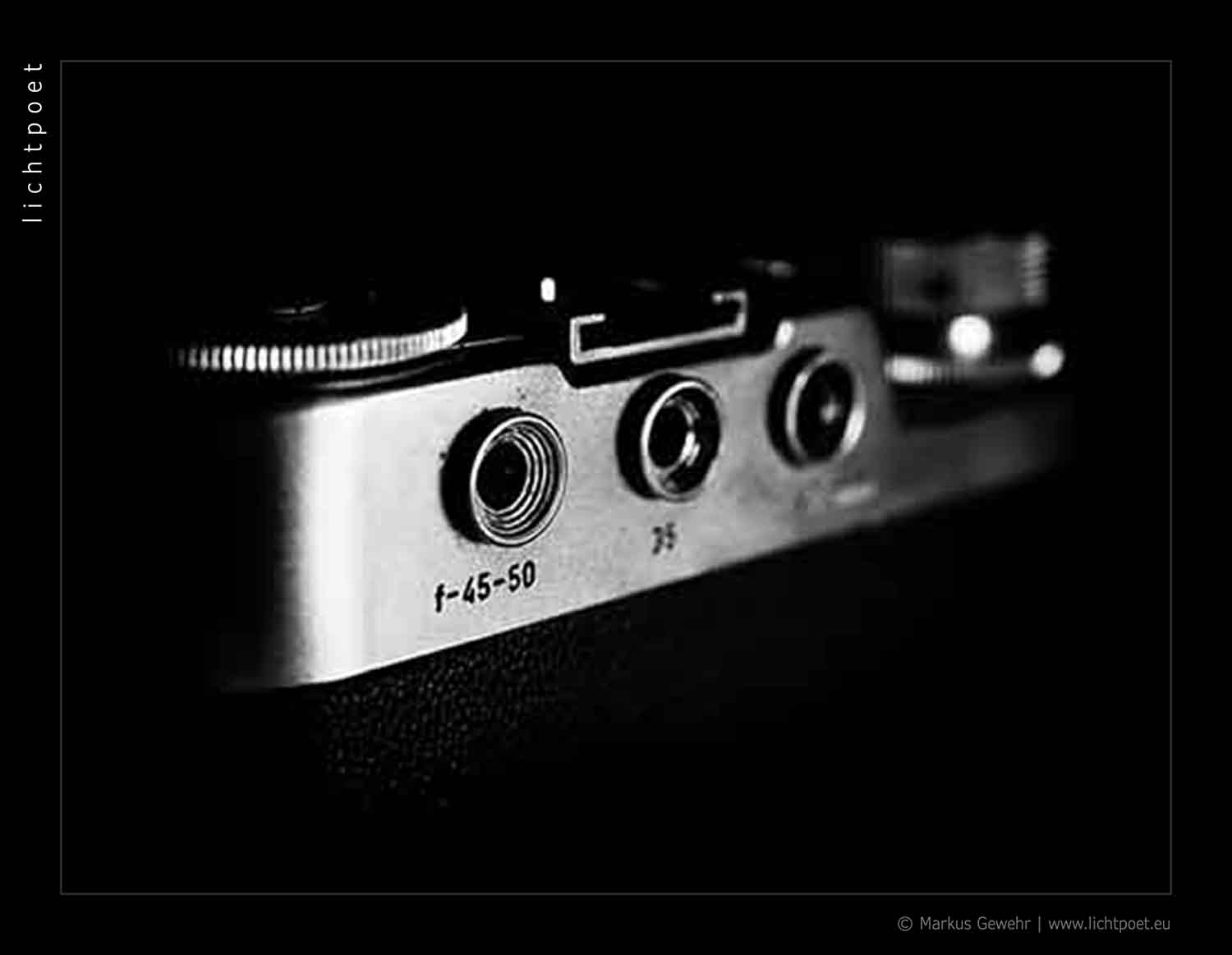
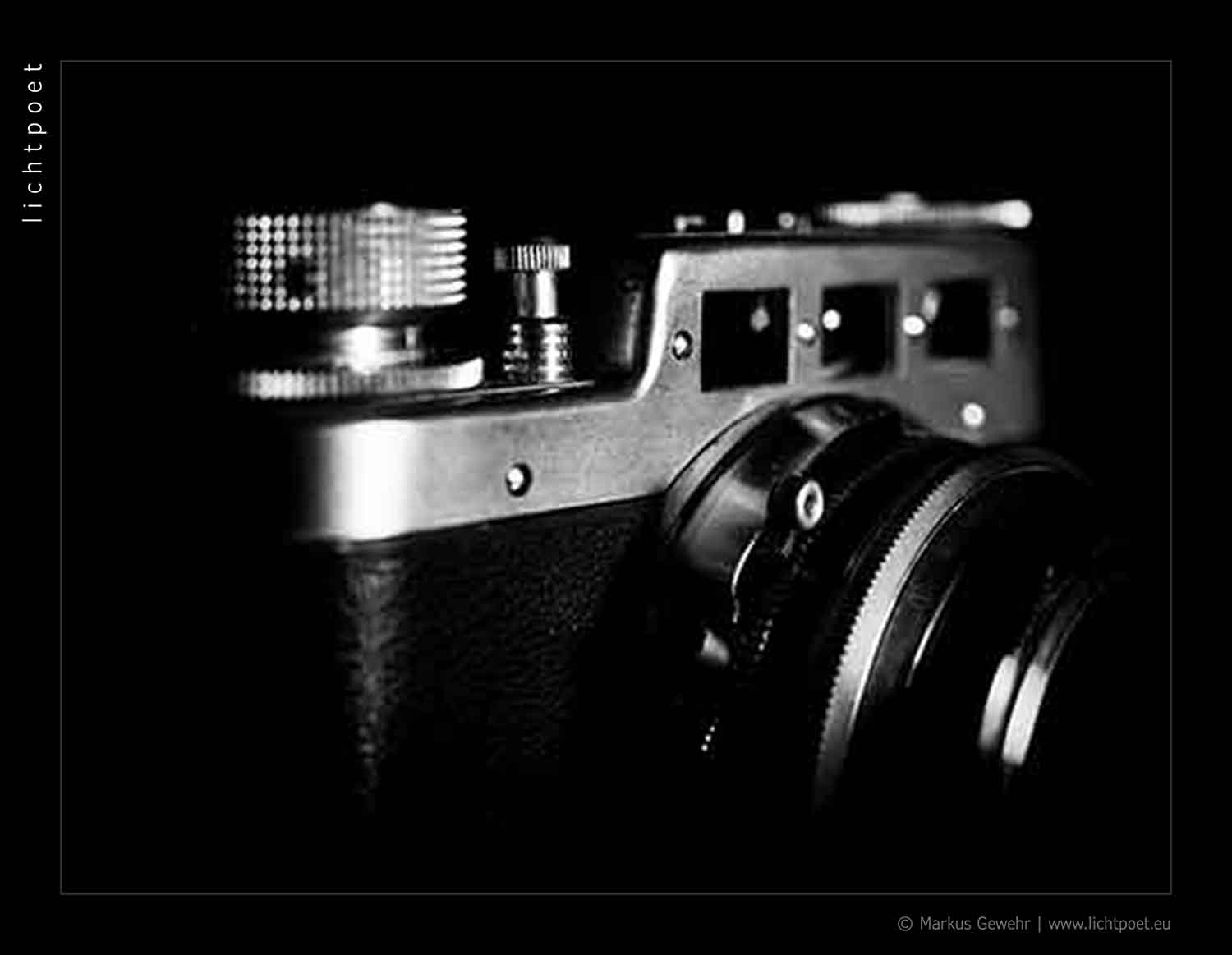
One of the first cameras I tried on film in my project last year is the Diax Ia, a viewfinder camera with interchangeable lenses, built between 1952 and 1956. The Diax uses a proprietary lens mount, and my one is paired with a Schneider-Kreuznach Xenar 1:2.8/45 mm. Exposure and focus are entirely manual, which is part of the fun with a classic camera like this. What I find particularly clever are the three separate viewfinders for 35 mm, 45/50 mm, and 90 mm lenses. An unusual but very practical system.
The Diax Ia is much more balanced in design than the Lordomat, feels excellent in the hand, has a fantastic tactile quality, and radiates solid, high-end craftsmanship. Among the cameras I’ve handled so far, it’s definitely one of the most refined, and it reminds me a bit of my screw-mount Leica. Just charming in its own unique way.
Because I like it so much, I wanted to try the predecessor as well: the Diax I. Also a viewfinder camera, built around 1950, with the same Schneider-Kreuznach Xenar 1:2.8/45 mm fixed lens. It’s noticeably more compact than its successor but no less elegant, especially when paired with the light brown, almost orange carrying case. I haven’t tested it on film yet. One small challenge will probably be the tiny viewfinder (not exactly ideal for me as a glasses wearer…).
Together, these two Diax cameras are a great reminder that small post-war manufacturers often brought entirely original ideas and a remarkable attention to detail to their cameras. And that’s exactly what makes them so appealing to me.